A good majority of companies have a logo, But this does not represent a brand.
Branding is a strategic process which aims to create a’Distinctive image for a company or product in order to differentiate it from competitors and create a recognizable identity.
It involves defining the company's values, mission, vision and positioning, as well as identifying the target audience and creating an image consistent with these elements.
When we talk about branding we are concerned with communicate visually through the use of graphic elements such as colors, shapes, images, text and typography. In the context of branding, graphic design plays a key role in creating a distinctive brand.
All of this allows a logo to be unique and memorable, represent the essence of the company and Be recognized instantly.
Demeter aims to accompany companies in the process of developing their brand, ensuring a Strategic vision and creative implementation
Through a deep understanding of the corporate philosophy and values you want to convey, we work to create a distinctive and appealing brand that reflects the identity of the company and presents itself authentically and transparently to the target audience.
WHAT IT IS COMPOSED OF A COMPLETE BRAND?
The Name
A brand name is its primary identity.
Often developed through a creative process called naming, the brand name represents the point of origin from which the development of a brand originates.
It is the first impression consumers will have of the company or product. A well-chosen name can distinguish the brand from the competition, capture attention and create a lasting impression. A unique and distinctive name helps differentiate the brand in the crowded marketplace.
The brand name can convey important information about the characteristics, values, or industry of the company or product. An effective name can communicate clearly and immediately what the company stands for, making it easier for consumers to understand. In addition, a memorable name helps to create a lasting bond in the minds of consumers, making it easier to remember and recall the brand.
Adaptability and scalability: The brand name should be adaptable to different contexts and other future initiatives of the company. It must work across multiple communication channels, including websites, social media, advertising and marketing materials. In addition, a name that leaves room for brand expansion and diversification allows the company to expand its reach without having to completely change its basic identity.
Legal protection: Choosing a unique and distinctive name can facilitate the process of trademark registration and legal protection. A name that does not infringe on the intellectual property rights of other existing trademarks facilitates trademark registration and protects the company from potential litigation.
Audience involvement: A catchy name can generate curiosity and interest among the audience. A name that is easy to pronounce, remember, and share can help people remember it and start positive conversations about the brand. This audience engagement can help create a loyal fan base and brand advocates.
The Logo
The logo is the main visual element of the brand. It is a unique symbol that represents the company or product.
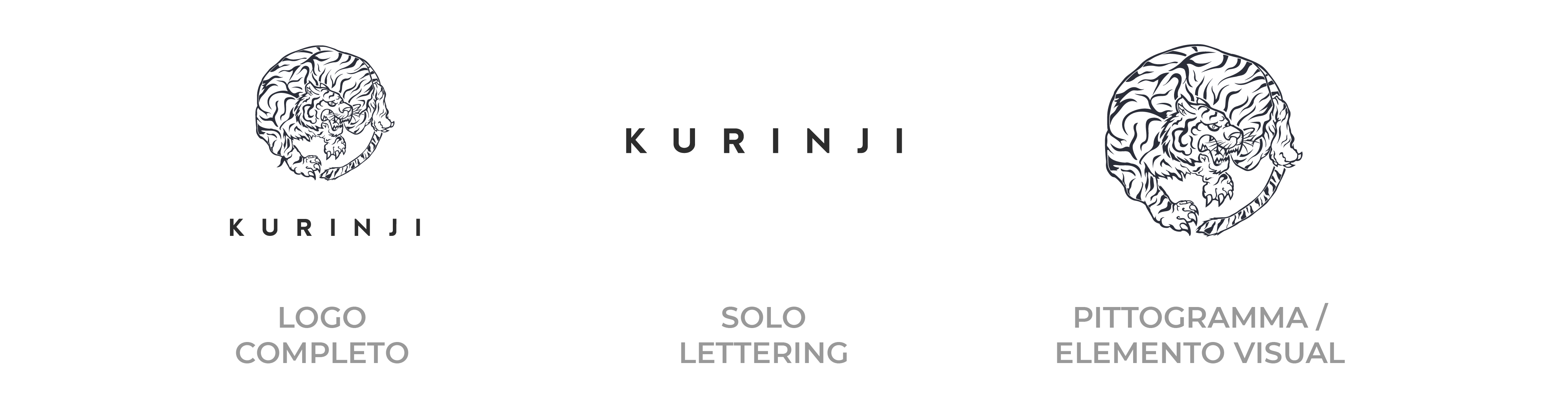
A logo is often not a single element that is used in the same way on all communication materials. Rather, a good logo is designed to fit in its various forms--complete and contracted--to the various media so that it always appears harmonious and communicative.
A logo can represent many things: it can explicitly illustrate the values or nature of the company's services, or it can act more cryptically, trying to build a scale of aesthetic and symbolic values that can elevate the brand and associate it with a lifestyle, feelings or even just a way of thinking.
But a logo needs a context in which to live and be able to express itself, so as to ensure consistency and uniformity in all the company's materials and communication channels.
Let's see what the other elements are.
The Payoff
Also called slogan o tagline, the payoff is the additional phrase to the logo that accompanies the mark to clarify or extend a concept not explicitly communicated by the logo.
A short, memorable slogan or tagline can help communicate the brand promise or its unique value in a concise way.
The Color Theme
The choice of brand colors is a crucial element. Colors can evoke emotions, create associations and distinguish the brand from competitors.
It is therefore important to study a priori a color palette suitable for the values you want to convey in a way that Maintain consistency in the choice of colors in all communication materials.
The Typography
The typographic part of the brand, i.e., all written elements, from the brand name found in the logo, to the headlines on a poster, advertisement or website, to the text of more ordinary communications.
Choosing a typeface, or more vernacularly font, is as important a step as any other graphic choice: the various styles, from sans-serif to graffiti, from industrial to calligraphic, are able to Communicate the brand philosophy in a different way.
The Tone of Voice and Storytelling.
The writing style and tone of brand communication are often underestimated. People often make the mistake of thinking that all consumers think alike; in reality, choosing the right way to verbally communicate to your audience is also a targeting decision.
For example, the tone could be informal and friendly or formal and professional depending on the type of interlocutor we want to interface with.
The brand's voice and tone should reflect its personality and the company's values, adding reference points to the consumer's overall perception of the brand.
The Visual Line
Also known as Visual o Visual Line, it is the set of images and graphics used in brand communication materials help convey a consistent and recognizable image. They may include photographs, illustrations, graphics and other visual elements that align with the brand identity.
Each graphic element serves to streamline communication and synthesize concepts, helping any marketing material or communication support to be immediately recognizable and visually consistent.
DO YOU WANT TO CREATE A BRAND THAT SPEAKS TO YOUR AUDIENCE?